Prevention and Maintenance
Once melasma fades, it's crucial to prevent recurrence:
Daily SPF 50+ sunscreen
Use wide-brimmed hats and scarves outdoors
Avoid heat exposure while cooking
Switch to gentle skincare without harsh chemicals
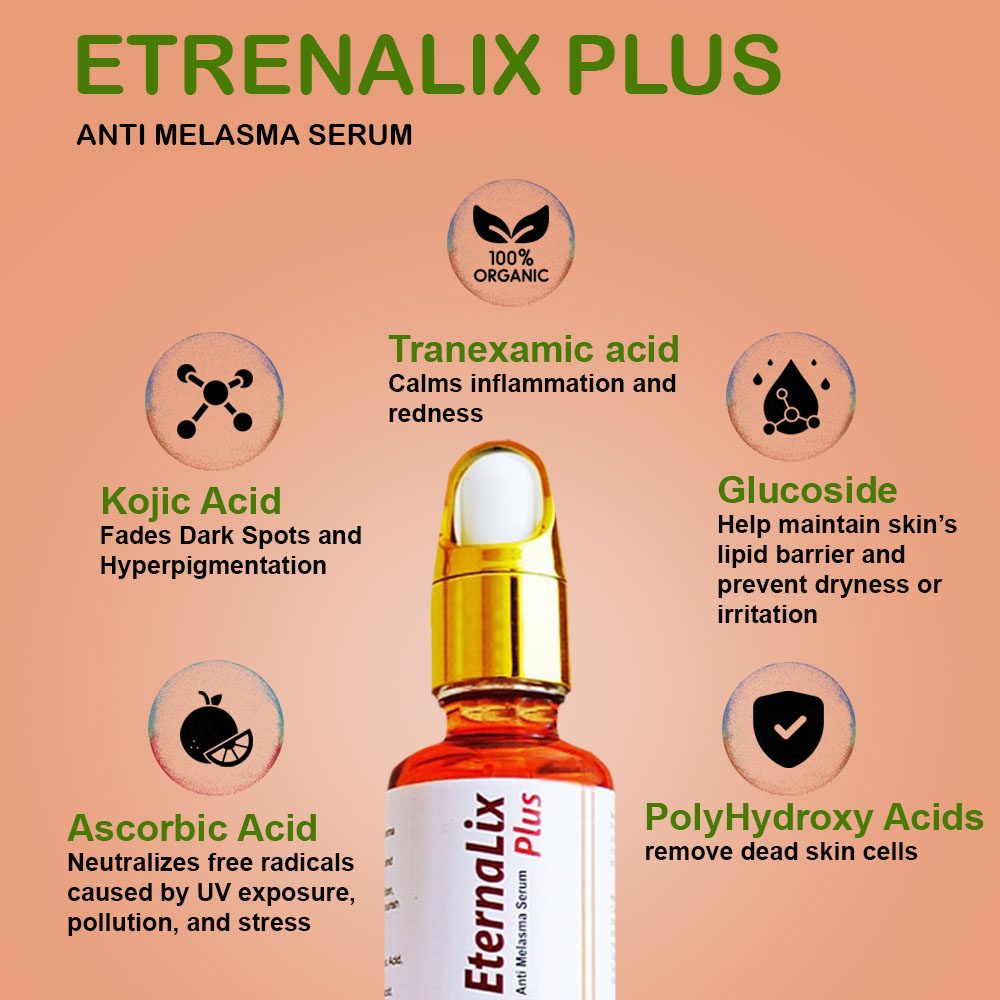
Regular use of antioxidants and pigment regulators like ETERNALIX and ETERNALIX PLUS.
When to See a Dermatologist in Pakistan
Seek professional help if:
The patches are spreading
Over-the-counter creams aren’t effective
You have a history of hormonal issues
Cities like Lahore, Peshawar, Karachi, and Islamabad offer access to experienced dermatologists specializing in pigmentation disorders.
Final Thoughts
Melasma is a persistent but manageable condition with the right skincare routine, medical support, and sun protection. By using dermatologist-approved treatments and understanding the unique triggers of melasma in Pakistan, patients can regain their skin confidence.
If you're struggling with melasma, Jamal Emporium offers carefully formulated, dermatologist-reviewed products designed for Pakistani skin. Browse our collection of serums, sunscreens, and anti-pigmentation treatments.
FAQs
Q1: Is melasma curable permanently? Melasma is a chronic condition. While it can be managed effectively, it may recur if not properly maintained.
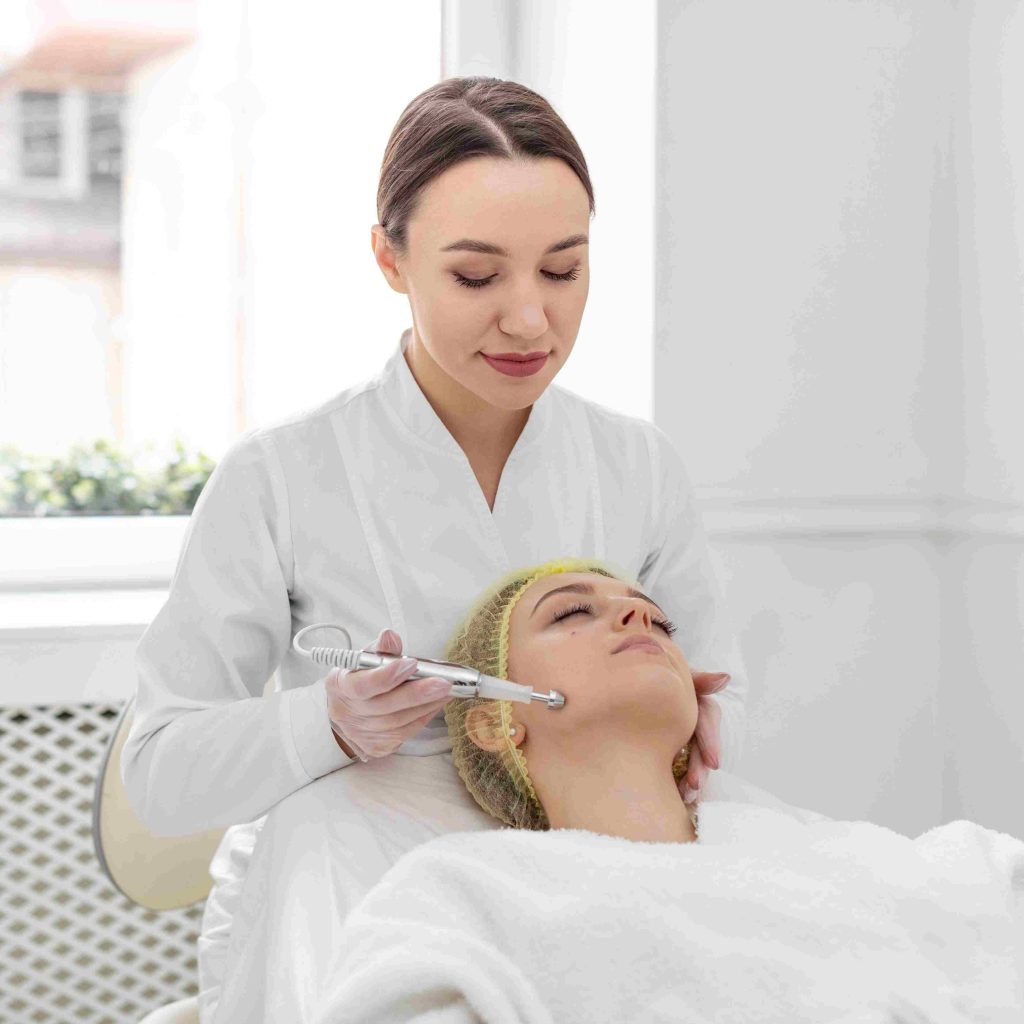
Q2: What is the best melasma treatment in Pakistan? A combination of topical creams, sunscreen, and dermatological treatments like microneedling or peels under professional care.
Q3: Can melasma go away naturally? In some cases, hormonal melasma may fade, but most require treatment and ongoing care.
Q4: How long does melasma take to fade? With proper treatment, visible results may take 6–12 weeks.
Q5: Is laser safe for melasma on Pakistani skin? Only specific lasers like Q-switched Nd:YAG are safe. Always consult a specialist first.
Q6: Which sunscreen is best for melasma in Pakistan? Choose broad-spectrum SPF 50+ with PA+++ and physical blockers like zinc oxide or titanium dioxide.
Q7: Can I use home remedies for melasma? Use with caution. Some natural ingredients can irritate skin. Consult your doctor before use.
Q8: What are the main causes of melasma in Pakistan? Sun exposure, hormonal changes, steroid creams, and heat.
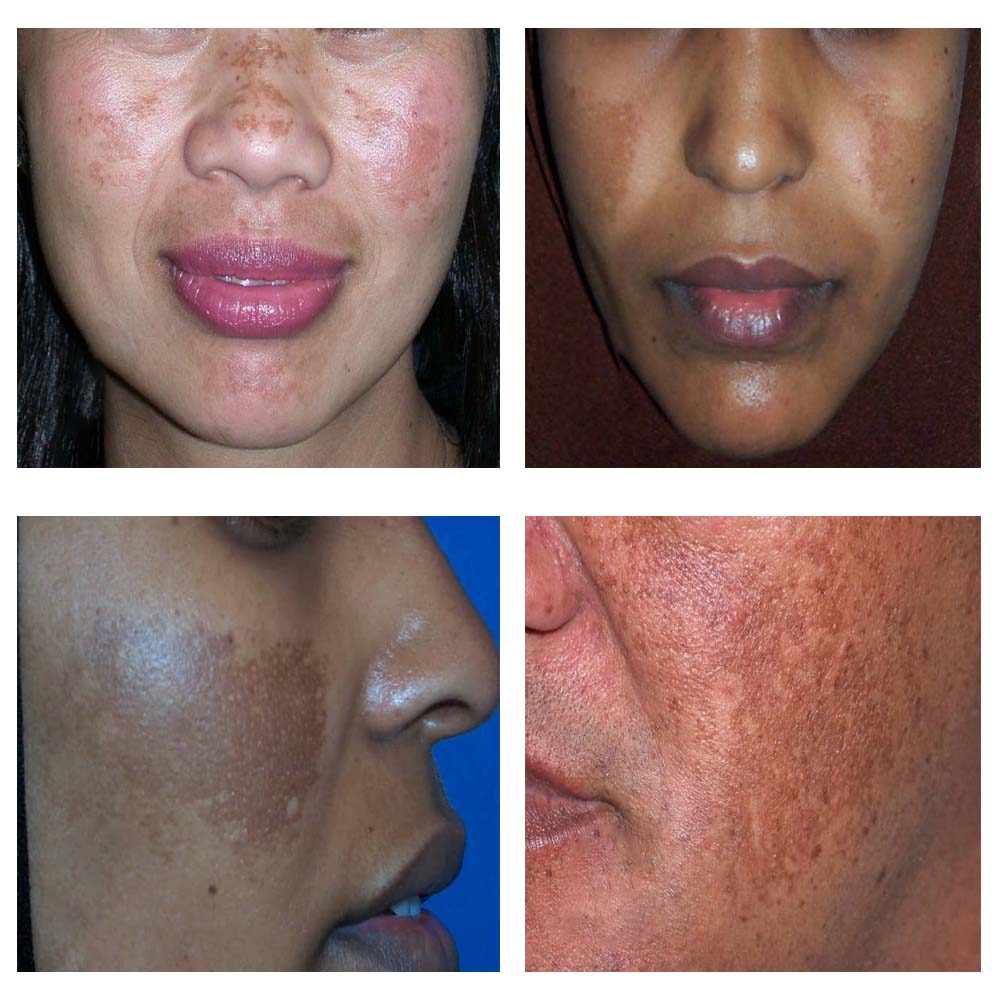
Q9: Can men get melasma too? Yes, though less common, men can also develop melasma due to similar triggers.
Q10: Does diet affect melasma? Some studies suggest that antioxidants in diet can help reduce pigmentation. Drink water, eat fruits, and avoid inflammatory foods.